
Internal nutrition to prepare your skin for the sun: carotenoids, vitamins C, E and B3
Fiona Benoît
ASCA Pharmacist-Therapist · RCC M799262 · 6 min read
Sun protection is prepared from within. Carotenoids, vitamin B3 (nicotinamide), omega-3: the nutrients that strengthen the skin's natural resistance to UV.
Key points
- Carotenoids (beta-carotene, lycopene, lutein): neutralize free radicals generated by UV
- Vitamin B3 (nicotinamide): reduces the risk of non-melanoma skin cancers
- Vitamins C and E, selenium: essential antioxidants trapping free radicals
- Omega-3: protective effect against UV-induced carcinogenesis
Why nourish the skin from within?
Holidays, with exposure to the sun and fresh air, are essential for synthesizing vitamin D. On the other hand, they often put the skin to a tough test. Nourishing it from within with nutrients that will strengthen its hydration, promote cellular regeneration and slow down tissue degradation can be beneficial. A diet rich in fruits and vegetables containing notably carotenoids, vitamins C and E, flavonoids or omega-3 fatty acids can help strengthen the skin's resistance to the aggression of the sun.
Carotenoids: natural photoprotection
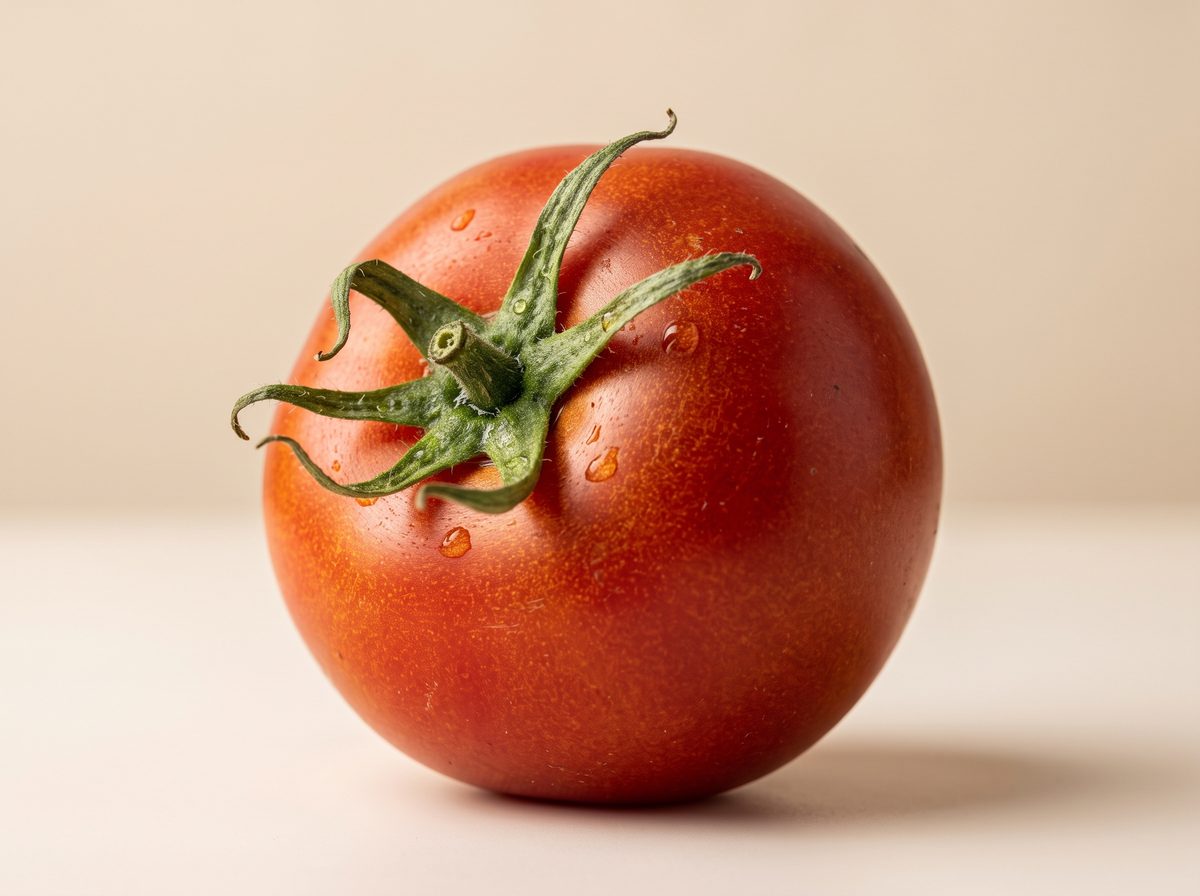
Carotenoids (beta-carotene, lutein, alpha-carotene, lycopene, etc.) are able to neutralize singlet oxygen and trap free radicals, thus preventing damage to cells. Several studies have shown that taking carotenoids decreases the skin's sensitivity and delays the appearance of erythema. They are also effective in preventing benign summer light eruption. Nature provides us with the fruits and vegetables richest in what we need at the right time: strawberries, tomatoes, blackcurrants, parsley, peppers, melon, spinach.
Vitamin B3 (nicotinamide): a recent discovery
A study published in 2015 by a team of Australian researchers shows that taking 500 mg of nicotinamide (Vitamin B3) twice a day for 12 months reduced the risk of non-melanoma skin cancers by 23%. The number of actinic keratoses was reduced by 11% after three months and by 20% after 9 months. Nicotinamide helps the body produce more ATP, promoting the maintenance of efficient DNA repair mechanisms.
Vitamins C, E, selenium and omega-3
After sun exposure, the levels of vitamins C and E are significantly reduced in the skin cells, a sign that they effectively trap free radicals. Studies on humans show that a diet rich in omega-6 fatty acids reinforces carcinogenesis, whereas omega-3 has a protective effect. The consumption of omega-3 would also reduce the skin's sensitivity to sunburn. Do not skimp on flax, chia seeds, small oily fish and walnuts.
Source: documentation of Pharmacie Bédat
Note: This article is written for informational purposes. It does not replace medical advice. Consult a healthcare professional before any treatment, especially in case of chronic illness or while taking medication.
More advice from Fio
Adaptogenic plants and aromatherapy to get through stress
Allergy and immunity: the plants and probiotics that make the difference
Ginkgo, bacopa and Ayurvedic plants for concentration
Plant proteins: how to cover your needs without animal products